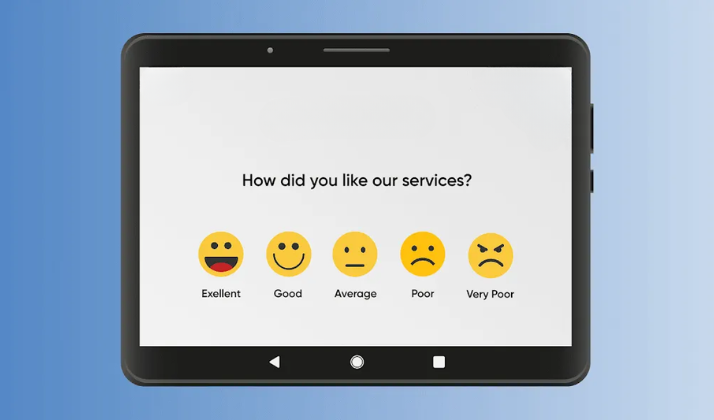
A good NPS software combines automated survey distribution, real-time alerts, and clear reporting in one place. It should collect feedback through in-app prompts, email, SMS, and web forms with minimal setup. The system should calculate your Net Promoter Score automatically and break results down by segment. It should also flag negative responses right away, so your team can respond before dissatisfaction grows. Businesses use this kind of software to track loyalty and catch problems early.
In-app surveys and real-time feedback matter because they capture reactions in the moment, not days later. This often produces more accurate sentiment than a delayed email survey. Choosing the right net promoter score software depends on your feedback channels, team size, and reporting needs. This guide compares 12 platforms so you can find the one that fits your business best.
Top 12 NPS Software at a Glance
Here is a quick summary of all 12 platforms covered in this guide. It includes who each one suits best.
-
SmartReviews: Best for businesses managing online reviews and NPS feedback together. Offers multi-channel feedback collection, NPS surveys, and real-time insights.
-
Qualtrics XM: Best for large enterprises needing advanced experience management. Offers NPS surveys, predictive analytics, and enterprise-grade reporting dashboards.
-
Medallia: Best for enterprise customer experience teams. Offers omnichannel feedback capture, AI-driven text analytics, and real-time detractor alerts.
-
Delighted: Best for small and mid-sized teams wanting quick setup. Offers simple NPS, CSAT, and CES surveys with straightforward dashboards.
-
Retently: Best for SaaS and e-commerce businesses tracking NPS over time. Offers automated surveys, segmentation, and trend reporting.
-
AskNicely: Best for frontline service and support teams. Offers real-time NPS feedback with coaching and follow-up workflows.
-
Survicate: Best for product and marketing teams running targeted research. Offers in-app, email, and website surveys with NPS templates.
-
SurveySparrow: Best for teams wanting conversational, mobile-friendly surveys. Offers NPS, CSAT, and chat-style in-app feedback forms.
-
Zonka Feedback: Best for multi-location and offline businesses. Offers kiosk, web, and in-app surveys with live dashboards.
-
Wootric (by InMoment): Best for SaaS companies tracking in-app NPS. Offers contextual surveys tied to product usage data.
-
Qualaroo: Best for product teams gathering contextual feedback. Offers targeted on-page and in-app micro-surveys with sentiment analysis.
-
CustomerGauge: Best for B2B enterprises linking NPS to revenue. Offers account-level NPS tracking and churn correlation reporting.
What Is NPS Software?
NPS stands for Net Promoter Score, a metric that measures customer loyalty. It comes from one core question: how likely are you to recommend this company to a friend?
Respondents answer on a scale of 0 to 10. The software sorts responses into three groups. These are promoters (9 to 10), passives (7 to 8), and detractors (0 to 6).
NPS software automates this entire process. It sends surveys through email, SMS, in-app prompts, or web pop-ups without manual scheduling.
Once responses arrive, the software calculates the score automatically. It subtracts the percentage of detractors from the percentage of promoters. This happens inside a dashboard.
Good net promoter software also analyses open-ended comments to explain why a customer gave a particular score. Some tools group comments by theme, so teams spot common issues faster.
Reporting features turn raw scores into trends over time, by segment, or by product area. This is where dedicated NPS software becomes more useful than a spreadsheet.
Manually tracking NPS in a spreadsheet works for very small teams. It quickly breaks down once survey volume grows or you need channel comparisons.
Platforms built specifically for this purpose combine collection, scoring, and reporting in one place. This reduces manual work and speeds up how quickly teams act on feedback.
What to Look for in NPS Software
Not every platform suits every business. Here is what matters most when comparing nps survey tools.
In-app surveys and real-time feedback
Look for surveys that trigger inside your product at the right moment. Real-time alerts let teams respond to unhappy customers before they churn.
Customisation and automation
Good platforms let you edit survey wording, branding, and timing. Automation should cover scheduling, follow-up emails, and reminder logic.
NPS calculation and dashboards
The software should calculate scores automatically and display trends without manual exports. Segmentation by plan, region, or customer type adds useful context.
Multi-channel feedback collection
Businesses collecting feedback both online and in person need a platform that supports both. A proper customer feedback system should combine email, web, and in-app channels. It should also include kiosk feedback software for physical locations like retail or healthcare.
Integrations and scalability
Check whether the tool connects with your CRM, helpdesk, or product analytics. This matters once you compare customer survey software built for team collaboration against single-department tools.
Ease of use, data security, and support
A platform is only useful if teams actually adopt it. Look for clear onboarding, responsive support, and standard data protection before committing to any online survey software.
12 Best NPS Software for In-App Surveys and Real-Time Feedback
The platforms below are commonly used for NPS measurement, in-app surveys, and real-time customer feedback. Each section covers core capabilities, who the platform suits best, and practical considerations.
1. SmartReviews
SmartReviews is a feedback management software platform that combines NPS surveys with customer review collection. It suits businesses that want loyalty tracking and reputation management in one place.
The platform supports automated NPS surveys through its feedback survey tools, collecting responses across channels. Real-time insights help teams flag detractors quickly and follow up before issues grow.
SmartReviews also supports in-person feedback collection through kiosk feedback software. This is useful for multi-location businesses like retail stores, clinics, or restaurants. It makes the platform practical for teams gathering feedback both online and on-site.
SmartReviews is best suited for customer experience and marketing teams. It works well for managing reviews and NPS from a single dashboard. As with any platform, confirm current features and pricing directly with the provider.
2. Qualtrics XM
Qualtrics XM is an experience management platform used by large enterprises. It covers NPS, CSAT, and broader customer and employee experience programs.
The platform supports in-app surveys, web intercepts, and email distribution for NPS collection. Real-time dashboards surface detractor alerts so teams can respond quickly.
Qualtrics XM includes advanced analytics, predictive modelling, and role-based reporting. This depth suits enterprise teams with dedicated CX or research functions.
Smaller teams may find the platform more complex than needed for basic NPS tracking. Pricing typically requires a direct quote from Qualtrics.
3. Medallia
Medallia is an enterprise customer experience platform focused on omnichannel feedback. It supports NPS alongside broader sentiment and journey analytics.
The platform captures feedback through in-app prompts, web surveys, contact centre interactions, and social channels. AI-driven text analytics help identify recurring themes in open-ended comments.
Real-time alerts notify teams when a detractor response arrives, supporting quick recovery efforts. This suits enterprise CX and product teams managing feedback at scale.
Medallia generally suits larger organisations with dedicated CX resources. Implementation and pricing typically require direct consultation with the provider.
4. Delighted
Delighted is a straightforward NPS platform aimed at small and mid-sized teams. It focuses on quick setup rather than extensive customisation.
The tool supports NPS, CSAT, and CES surveys through email, SMS, and link-based distribution. In-app survey support is more limited compared to enterprise platforms.
Real-time response tracking and simple dashboards make it easy to monitor trends without heavy setup. This suits teams wanting fast NPS deployment.
Delighted works well for startups and smaller product teams. Businesses needing deep segmentation may outgrow it as they scale.
5. Retently
Retently is an NPS-focused platform built for SaaS and e-commerce businesses. It emphasises automated survey scheduling tied to customer lifecycle stages.
The platform supports NPS, CSAT, and CES surveys through email and in-app widgets. Automated triggers send surveys after specific customer actions or milestones.
Segmentation lets teams compare scores by plan, region, or signup date. This helps in spotting patterns tied to specific groups.
Retently suits subscription-based businesses tracking NPS trends over time. Teams needing omnichannel feedback beyond surveys may need additional tools.
6. AskNicely
AskNicely is built for frontline service and support teams collecting real-time feedback. It ties NPS responses directly to individual staff or locations.
The platform sends NPS surveys after service interactions, with real-time alerts for negative responses. Coaching workflows help managers follow up with staff on recurring issues.
In-app survey support exists, but the platform focuses more on service-driven feedback loops. Product usage data is not the main focus.
AskNicely suits retail, hospitality, and service teams wanting frontline accountability. It offers less depth for SaaS-specific feedback analysis.
7. Survicate
Survicate is a survey platform built for product and marketing teams. It supports NPS alongside broader customer research surveys.
The platform offers in-app, website, and email surveys with pre-built NPS templates. Real-time response tracking feeds into dashboards segmented by audience or trigger point.
Survicate integrates with common product analytics and CRM tools, helping teams tie feedback to behaviour data. Automation covers survey targeting based on user actions.
Survicate positions itself as broader online survey software. NPS is one of several survey types it supports.
8. SurveySparrow
SurveySparrow focuses on conversational, mobile-friendly surveys. It supports NPS, CSAT, and chat-style in-app feedback forms.
The platform's in-app surveys appear as conversational chat windows rather than traditional forms. This format is designed to improve completion rates on mobile devices.
Real-time reporting includes score trends and response-level detail. Teams can automate follow-up questions based on the score a customer gives.
SurveySparrow suits teams wanting an engaging survey experience, particularly for mobile-first audiences. Reporting depth may be more limited than larger CX platforms.
9. Zonka Feedback
Zonka Feedback is a multi-channel survey platform used by both online and offline businesses. It supports NPS, CSAT, and CES across web, email, and kiosk formats.
The platform offers offline kiosk surveys for physical locations, alongside in-app and web-based collection. Real-time dashboards update as responses arrive across all channels.
Zonka Feedback suits multi-location businesses such as retail chains, healthcare providers, or hospitality groups. These businesses often need both digital and on-site feedback.
Teams focused purely on SaaS product feedback may find some features less relevant. These features are built more for physical or service-based businesses.
10. Wootric (by InMoment)
Wootric, now part of InMoment, focuses on in-app NPS for SaaS companies. It ties survey responses to actual product usage data.
The platform triggers NPS surveys based on in-app behaviour, such as feature usage or account milestones. This context helps teams understand why a score was given.
Real-time reporting connects feedback to product analytics, which is useful for product and CX teams working together.
Wootric suits SaaS businesses wanting contextual, usage-based NPS tracking. Offline or kiosk feedback is not a core focus.
11. Qualaroo
Qualaroo specialises in short, contextual micro-surveys shown directly inside a product or website. NPS is one of several survey types it supports.
Surveys appear as small on-page prompts triggered by user behaviour. Triggers include time on page or specific actions. This helps teams gather feedback at precise moments.
Real-time sentiment analysis flags negative responses for quick follow-up. Qualaroo suits product teams wanting lightweight, targeted feedback rather than long-form surveys.
Teams needing extensive omnichannel feedback collection may need to pair Qualaroo with additional tools.
12. CustomerGauge
CustomerGauge is built for B2B enterprises linking NPS to account-level revenue data. It focuses on relationship-level feedback rather than individual transactions.
The platform tracks NPS at the account level, connecting scores to renewal risk and revenue impact. Real-time alerts flag at-risk accounts for account management teams.
Reporting ties feedback trends to churn and revenue metrics, useful for leadership visibility. In-app survey support exists, but the platform is built primarily around account relationships.
CustomerGauge suits B2B enterprises with dedicated account management or customer success teams tracking NPS at scale.
Conclusion
Choosing NPS software depends on a few practical factors rather than picking the most popular name. Business size affects how much complexity you actually need in reporting and segmentation.
Feedback channels matter too. Decide whether you need in-app surveys, email, web forms, or kiosk feedback software for physical locations.
Consider your feedback volume and reporting needs before committing. Enterprise teams often need deeper analytics, while smaller teams may prioritise fast setup and ease of use.
Integrations with your CRM or helpdesk can save time later. Ease of implementation matters just as much as feature depth.
If you want feedback management software that combines NPS tracking with review management, consider SmartReviews. It is one option worth reviewing alongside the platforms above. Compare your specific feedback channels and reporting needs before deciding.