Customers judge a business by more than the product or service itself. How they are treated while waiting often shapes their overall impression just as much.
A long, disorganised wait can undo the impact of excellent service. Customers remember frustration, even if the actual interaction afterward went smoothly.
This pattern repeats across banks, clinics, retail stores, and government offices alike.
This is why more businesses now rely on a queue management system to manage customer flow. It shapes the waiting experience directly, not just the line itself.
This guide looks at how queue systems influence customer experience and what features matter most.
The Link Between Waiting and Customer Experience
Waiting affects perception more than most businesses realise. A short wait handled clearly often feels better than a longer wait left unexplained.
Uncertainty is usually the real problem. Customers who do not know how long they will wait tend to feel more frustrated than the wait itself justifies.
This means improving customer experience is not only about speed. It is also about clarity, communication, and giving customers a sense of control.
Businesses that address only speed often miss this larger picture.
What Is a Queue Management System?
A queue management system is software that organises how customers join, wait for, and receive service. It replaces informal lines with a structured, trackable process.
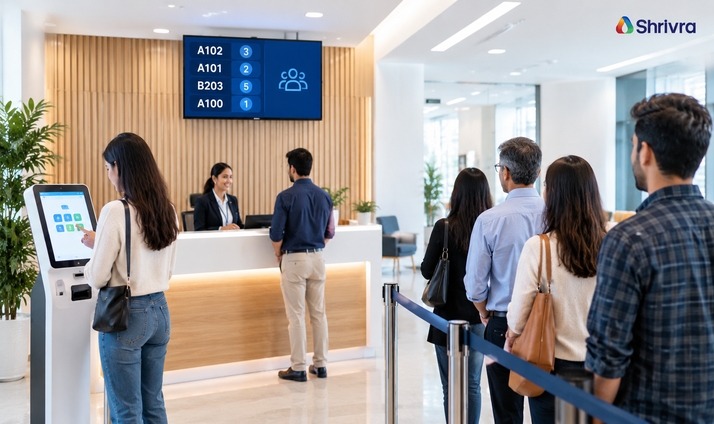
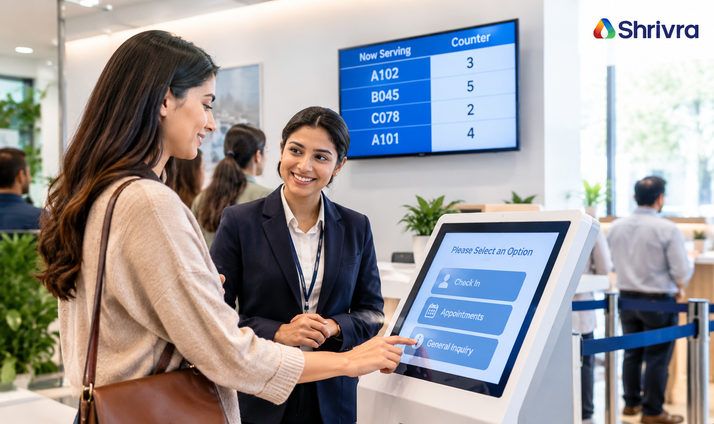
Customers typically check in through a kiosk, QR code, mobile app, or online booking. The system then manages the order in which they are served.
Behind the scenes, the platform tracks wait times, service times, and staff activity. This data supports ongoing improvements to how customers are served.
Over time, this shifts queue management from a reactive task into a planned process.
How Digital Queues Change the Waiting Experience
A traditional line requires customers to stay physically present until called. A digital queue removes this restriction entirely.
Customers can check in and then wait wherever suits them, rather than standing in one spot. This alone often improves how the wait feels, even if the actual time does not change much.
Digital queues also reduce visible crowding. Fewer people standing in a line creates a calmer environment for everyone still waiting.
This calmer environment often benefits staff as much as customers.
The Role of Customer Flow Management
Good queue systems do more than manage a single line. Customer flow management looks at the entire journey, from arrival to service completion.
This includes routing customers to the right counter or department automatically. It also involves balancing workload across staff so no single person becomes a bottleneck.
When flow is managed well, customers experience fewer delays at each stage. Bottlenecks get identified and addressed before they affect too many people.
A Practical Example
Consider a busy bank branch during lunch hour. Without a system, tellers handle customers in whatever order they arrive, regardless of the request.
A customer needing a quick balance check might wait behind someone completing a longer transaction. This creates frustration that has little to do with actual service quality.
With flow management in place, simple requests can be routed to a dedicated counter. Complex transactions go elsewhere, reducing wait times for both groups.
This kind of routing often makes the biggest visible difference to customers during peak hours.
Similar logic applies to clinics, retail stores, and government offices facing their own busy periods.
Key Ways Queue Systems Improve Customer Experience
Several specific improvements come from using a structured queue system. Each one addresses a different part of the customer's overall experience.
-
Clearer communication. Customers receive updates about their position and expected wait time, reducing uncertainty.
-
Shorter perceived wait times. Freedom to wait elsewhere often makes the same wait feel shorter.
-
Reduced overcrowding. Digital check-in spreads customers out instead of concentrating them in one area.
-
Consistent service across locations. Multi-branch businesses can apply the same process everywhere, creating a familiar experience.
-
Fewer errors. Automated routing reduces the risk of customers being missed or served out of order.
-
Better staff focus. Staff spend less time managing confusion and more time helping customers directly.
Together, these improvements shift the focus from simply moving people through a line to genuinely improving their experience.
Building a Better Customer Experience Through Data
Improving customer experience is an ongoing process, not a one-time fix. Data plays a central role in identifying where improvements matter most.
Reports on wait times, service times, and no-shows highlight recurring problem areas. Managers can see which locations or time periods need extra attention.
Over time, this data helps refine staffing, routing rules, and communication timing. Small adjustments based on real patterns often produce meaningful improvements.
Businesses that review this data regularly tend to catch problems before customers start noticing them.
What to Look for in a Queue System for Better CX
Not every queue system focuses equally on customer experience. A few features are worth prioritising when comparing options.
-
Multi-channel check-in. Customers should be able to join a queue through a kiosk, app, or QR code.
-
Real-time notifications. Look for SMS, messaging app, or display screen updates that keep customers informed.
-
Flexible routing. The system should route customers by service type, priority, or language where relevant.
-
Reporting tools. Strong analytics help identify where the experience breaks down.
-
Multi-location support. Businesses with several branches need consistent behaviour across all of them.
-
Ease of use. Staff should be able to manage the system without extensive training.
How Qwaiting Improves Customer Experience
Qwaiting is a queue management system built to reduce wait times while improving how customers experience the waiting process itself.
Customers can join a queue through a QR code, kiosk, or mobile app, and wait wherever suits them. Online appointment bookings merge automatically with walk-in customers.
The platform uses AI-powered wait time prediction to help forecast demand and support staffing decisions. Digital signage calls the next customer, with voice announcements available in multiple languages.
SMS and WhatsApp alerts keep customers updated on their turn, reducing the uncertainty that often defines a poor waiting experience. Analytics tools track wait times, service times, and staff productivity.
Qwaiting also supports routing customers across counters and branches automatically, helping balance workload and reduce bottlenecks. It is used across industries including banking, healthcare, retail, and government services.
According to Qwaiting, businesses using the platform have cut wait times by up to 35 percent. A free trial is available for businesses wanting to test the platform directly.
This combination of routing, communication, and reporting supports a more consistent experience across every branch.
Final Thoughts
Customer experience depends heavily on how waiting is handled, not just how fast service moves. Clarity, communication, and flexibility all shape how a wait actually feels.
A queue management system addresses these factors directly, rather than treating waiting as an unavoidable inconvenience.
Small improvements to communication and flow often leave a lasting impression on customers.
Qwaiting brings digital queuing, flow management, and real-time communication together in one platform. Try Qwaiting to see how it can improve the experience at your business.