Businesses collect customer feedback for many reasons, but not every metric measures the same thing. Choosing the wrong one can leave you tracking data that does not actually guide decisions.
Comparing NPS vs CSAT vs CES helps clarify what each metric actually measures. Each one answers a different question about the customer relationship.
Understanding these differences prevents wasted effort collecting data that does not inform any real decision.
This guide breaks down what each metric means, when to use it, and how they work together.
What Is NPS?
NPS stands for Net Promoter Score, a metric that measures overall customer loyalty toward a business. It remains one of the most widely used customer experience metrics.
It typically asks one question: how likely are you to recommend this business to a friend or colleague. Customers respond on a scale from zero to ten.
Responses get grouped into three categories. Promoters score nine or ten, passives score seven or eight, and detractors score six or below.
NPS reflects the broader relationship a customer has with a business, rather than a single interaction.
Tracking this score over time helps businesses see whether loyalty is improving or declining.
What Is CSAT?
CSAT stands for Customer Satisfaction Score, a metric that measures satisfaction with a specific interaction or experience.
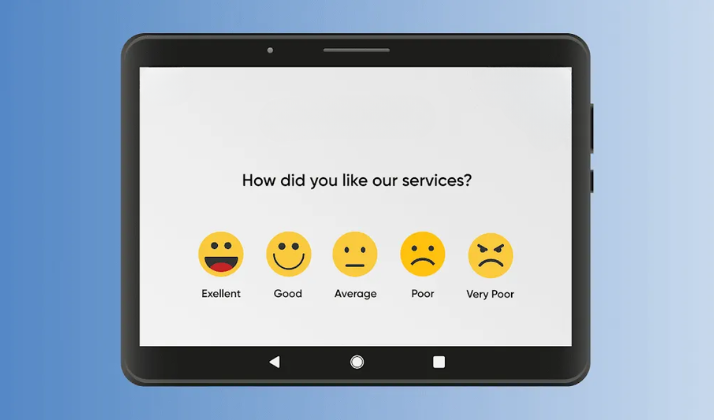
It usually asks how satisfied a customer felt with a particular purchase, service, or support interaction. Responses often use a scale from one to five.
Unlike NPS, CSAT focuses narrowly on one moment rather than the overall relationship. This makes it useful for pinpointing specific strengths or weaknesses.
A low CSAT score after a particular service usually points directly to what went wrong during that visit.
What Is CES?
CES stands for Customer Effort Score, a metric that measures how easy or difficult an experience felt.
It typically asks how easy it was to complete a task, resolve an issue, or get an answer. Customers respond on a scale reflecting effort, from very easy to very difficult.
CES works especially well after support interactions, since reducing customer effort often improves retention significantly.
Customers who struggle to get help are more likely to leave, even if the issue eventually got resolved.
Key Differences Between NPS, CSAT, and CES
Each metric answers a distinct question, even though all three relate to customer experience. Understanding these distinctions helps avoid using the wrong metric for the wrong purpose.
NPS measures overall loyalty and likelihood to recommend the business as a whole. CSAT measures satisfaction with one specific interaction or transaction.
CES measures how much effort a customer had to put in during a specific process. Together, these three metrics cover different layers of the customer relationship.
Timing also differs between them. NPS often gets sent periodically, while CSAT and CES typically follow immediately after a specific event.
This timing difference shapes how each metric should be interpreted and acted upon.
When to Use NPS
NPS works well for measuring long-term brand perception and overall customer loyalty. It gives leadership a simple, repeatable way to track sentiment across the business.
Sending NPS surveys quarterly, or after key milestones, helps track how sentiment changes over time. This makes it useful for spotting broader trends across your customer base.
NPS is less useful for diagnosing a specific problem, since it does not point to a single interaction.
Pairing it with another metric usually fills this gap effectively.
When to Use CSAT
CSAT fits well right after a specific transaction, purchase, or support interaction.
Sending a CSAT survey immediately after checkout, a service appointment, or a support call captures fresh, specific feedback. This helps identify exactly where an experience fell short.
Because CSAT focuses narrowly, it works well for evaluating specific touchpoints rather than overall brand sentiment.
Businesses often send CSAT surveys automatically, right after the relevant interaction takes place.
When to Use CES
CES works best immediately after moments involving effort, such as resolving a support issue or completing a complicated process.
A high effort score often signals friction worth addressing, even if the outcome itself was positive. Reducing this friction tends to improve customer retention over time.
CES is particularly useful for support teams looking to simplify processes and reduce repeat contact.
Tracking this score over time can reveal which specific steps in a process cause the most frustration.
Can You Use All Three Together?
Many businesses use a combination of these metrics rather than relying on just one. Each metric fills a gap the others leave open.
NPS provides a broad view of overall loyalty. CSAT and CES then help explain specific reasons behind that loyalty, based on individual interactions.
Using all three together creates a more complete picture. NPS shows the overall trend, while CSAT and CES reveal where specific improvements matter most.
Smaller businesses without dedicated CX teams sometimes start with just one metric before expanding to others.
This gradual approach still delivers useful insight, even before a full measurement system is in place.
Choosing the Right Customer Satisfaction Metrics for Your Business
Selecting appropriate customer satisfaction metrics depends on what decisions the data needs to support.
If you want to track overall brand health, NPS offers the clearest long-term view. If you need to evaluate specific service moments, CSAT provides more targeted insight.
If reducing friction in support or onboarding matters most, CES highlights where customers struggle. Many businesses find value in combining at least two of these metrics.
Consider your team's capacity to act on feedback too. Collecting data without a plan to respond limits its practical value.
Start with the metric most directly tied to a decision you already need to make.
How SmartReviews Supports NPS, CSAT, and CES Tracking
SmartReviews customer feedback software built to support NPS, CSAT, and other rating scales within one platform.
Various rating scales let businesses measure both short-term satisfaction and longer-term loyalty, depending on the survey type chosen. Feedback can be collected across website, SMS, email, and offline kiosk channels.
A collaborative response inbox allows teams to convert feedback directly into tasks, rather than letting insights sit unused. Push notifications alert staff immediately when a low rating comes in, supporting faster follow-up.
Detailed reports and analytics help track trends across NPS, CSAT, and other metrics over time. SmartReviews offers a free trial with no card required to get started.
This combination allows businesses to track multiple metrics without switching between separate tools.
Final Thoughts
NPS, CSAT, and CES each measure a different part of the customer experience. Choosing the right one depends on what question you actually need answered.
Many businesses benefit from combining these metrics, using NPS for overall sentiment and CSAT or CES for specific interactions.
Choosing based on the decisions you need to make, rather than following a general trend, leads to more useful data.
SmartReviews supports multiple rating scales and feedback channels within one connected platform. Explore SmartReviews to see how it can support your customer feedback strategy.