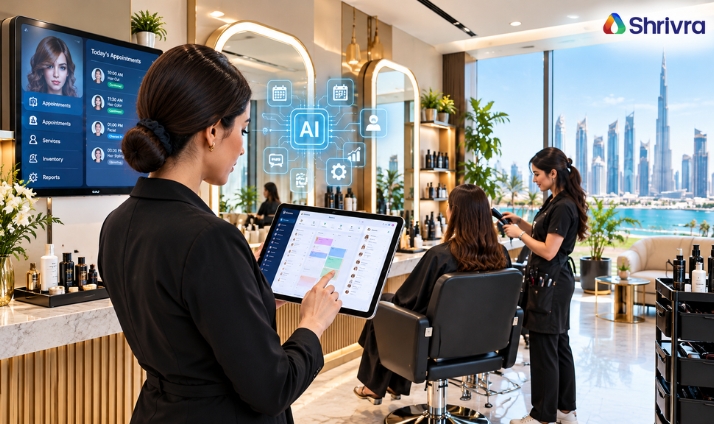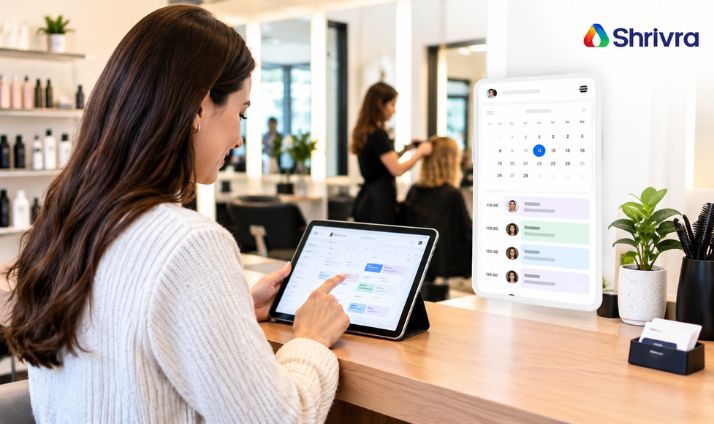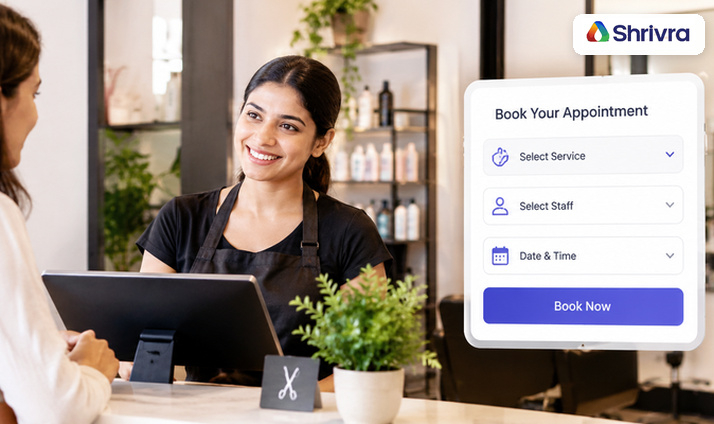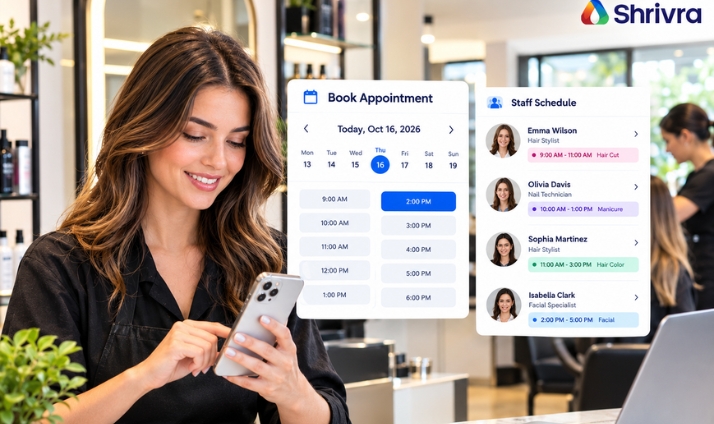
Running a salon means juggling three constant administrative demands. You need to manage bookings, schedule staff, and keep clients coming back.
Handling all three manually takes significant time each week. Small mistakes in any one area often affect the other two as well.
An understaffed shift, for example, can slow down bookings and leave clients waiting longer than expected.
Instead of reacting to problems, salons can catch them earlier and AI for salon business addresses these three areas directly, using existing booking and client data instead of manual review.
This guide looks at how AI supports bookings, scheduling, and retention, and what this looks like in daily practice.
Why Salons Are Turning to AI for These Tasks
Manual booking management, staff scheduling, and retention tracking share a common weakness. Each depends on someone noticing patterns in real time, which is difficult during a busy shift.
Busy staff rarely have time to review booking trends, staffing gaps, or client visit history consistently. Problems tend to surface only after they have already caused an issue.
AI tools address this by continuously analysing existing data, rather than relying on manual review during an already busy day.
This shift moves salons from reacting to problems toward catching them before they affect clients or revenue.
How AI Salon Booking Works
AI salon booking combines online and walk-in appointments into one organised, predictive system.
Instead of simply recording a booking, AI tools can suggest the best available slot for a specific service and stylist. This reduces awkward gaps and overlapping appointments.
Predictive elements also come into play. The system can flag likely no-shows based on past patterns and suggest ideal rebooking windows for returning clients.
Confirmations and reminders run automatically, reducing the manual follow-up staff would otherwise need to handle.
This combination keeps the calendar organised without requiring constant manual attention throughout the day.
How AI Staff Scheduling Reduces Manual Work
AI staff scheduling uses booking history to help match staff availability with actual demand. This replaces guesswork with a clearer view of when extra coverage is actually needed.
Rather than guessing which days need extra coverage, the system can highlight patterns, such as consistently busy Saturday afternoons. This helps managers schedule staff more accurately.
Understaffed or overstaffed periods become easier to spot in advance, rather than discovered during the shift itself.
This reduces both wasted labour costs and the stress of scrambling for last-minute coverage.
Managers can plan schedules a week or more ahead, rather than adjusting constantly at the last minute.
Using AI to Improve Client Retention
Retention often comes down to noticing which clients have quietly stopped returning.
AI tools can flag clients who have not rebooked within their usual visit window. This turns a vague sense that "we should follow up with regulars" into a specific, actionable list.
Segmentation adds further detail, grouping clients by visit frequency, spending, or preferred services. Personalised messages can then go out automatically, rather than through a generic bulk campaign.
This targeted approach tends to feel more relevant to clients than a broad, one-size-fits-all message.
What Salon Automation Looks Like Day to Day
Salon automation shows up in small, practical ways throughout a normal working day.
-
Booking suggestions: the system recommends the best open slot for a specific request.
-
Rebooking reminders: clients due for a return visit receive a timely nudge.
-
Staffing alerts: managers get flagged before a shift is under or overstaffed.
-
Segmented marketing: messages go out automatically to specific client groups.
None of these tasks require constant manual oversight once set up.
Staff still review flagged items, but the initial detection happens automatically in the background.
Why These Three Areas Work Best Together
Bookings, staffing, and retention are often treated as separate problems, handled with separate tools or spreadsheets.
In practice, they influence each other constantly. A gap in the schedule affects staffing needs, which then affects how quickly clients get served.
Slow service, in turn, can affect whether a client decides to rebook at all. Treating these areas as connected, rather than isolated, reflects how a salon actually runs day to day.
AI tools that work across all three areas can spot these connections more easily than separate, disconnected systems.
Benefits of Combining These Three Areas
Handling bookings, staffing, and retention together, rather than separately, brings compounding benefits.
-
Fewer administrative hours: automation reduces repetitive manual coordination each week.
-
Fewer scheduling conflicts: bookings and staff availability stay aligned automatically.
-
Better staff utilisation: schedules match actual demand more closely.
-
Stronger client retention: disengaged clients get noticed and followed up with sooner.
-
More consistent revenue: fewer empty slots and fewer lapsed clients support steadier income.
These benefits reinforce each other, since better staffing supports smoother bookings, which in turn supports better retention.
What to Look for in AI Tools for These Tasks
Not all AI-branded features actually deliver on these three areas equally well.
-
Built into your existing platform: avoids a separate system or complicated integration.
-
Uses your own salon data: forecasts based on actual history, not general industry averages.
-
Covers all three areas together: bookings, staffing, and retention working from the same data.
-
Easy for staff to use: no complex setup or technical training required.
-
Accessible pricing: available to independent salons, not locked behind enterprise plans.
Evaluating a platform against these points helps separate genuine capability from marketing language alone.
How Saloni AI Automates These Areas
Saloni AI is Salonist's built-in AI layer, designed to support bookings, staffing, and retention from one connected system.
For bookings, it suggests optimal open slots and predicts likely rebooking windows based on each client's visit history. This reduces gaps and keeps the calendar full without manual guesswork.
For staffing, patterns in booking history help highlight busy periods in advance, supporting more accurate scheduling decisions. Managers can plan staffing around real demand rather than rough estimates.
For retention, Saloni AI segments clients instantly, flagging who has not visited recently or who is due to rebook soon. Personalised reminders and follow-ups then run automatically, timed to each client individually.
All of this happens inside the existing Salonist platform, without a separate system to learn. A free trial is available with no card required.
This setup lets salon owners test all three areas together, rather than adopting separate tools for each one.
Final Thoughts
Bookings, staff scheduling, and client retention all depend on noticing patterns before they become problems. Manual tracking makes this difficult, especially during a busy week.
AI tools address all three areas by working directly from existing salon data. This reduces reliance on staff catching every detail manually.
Handling these three areas together, rather than separately, tends to produce more noticeable results overall.
Saloni AI brings this automation into Salonist, covering bookings, scheduling, and retention in one place. Explore Saloni AI to see how it can support your daily operations.